Rarefied Intake Aerodynamics for Atmosphere-Breathing Electric Propulsion at Titan
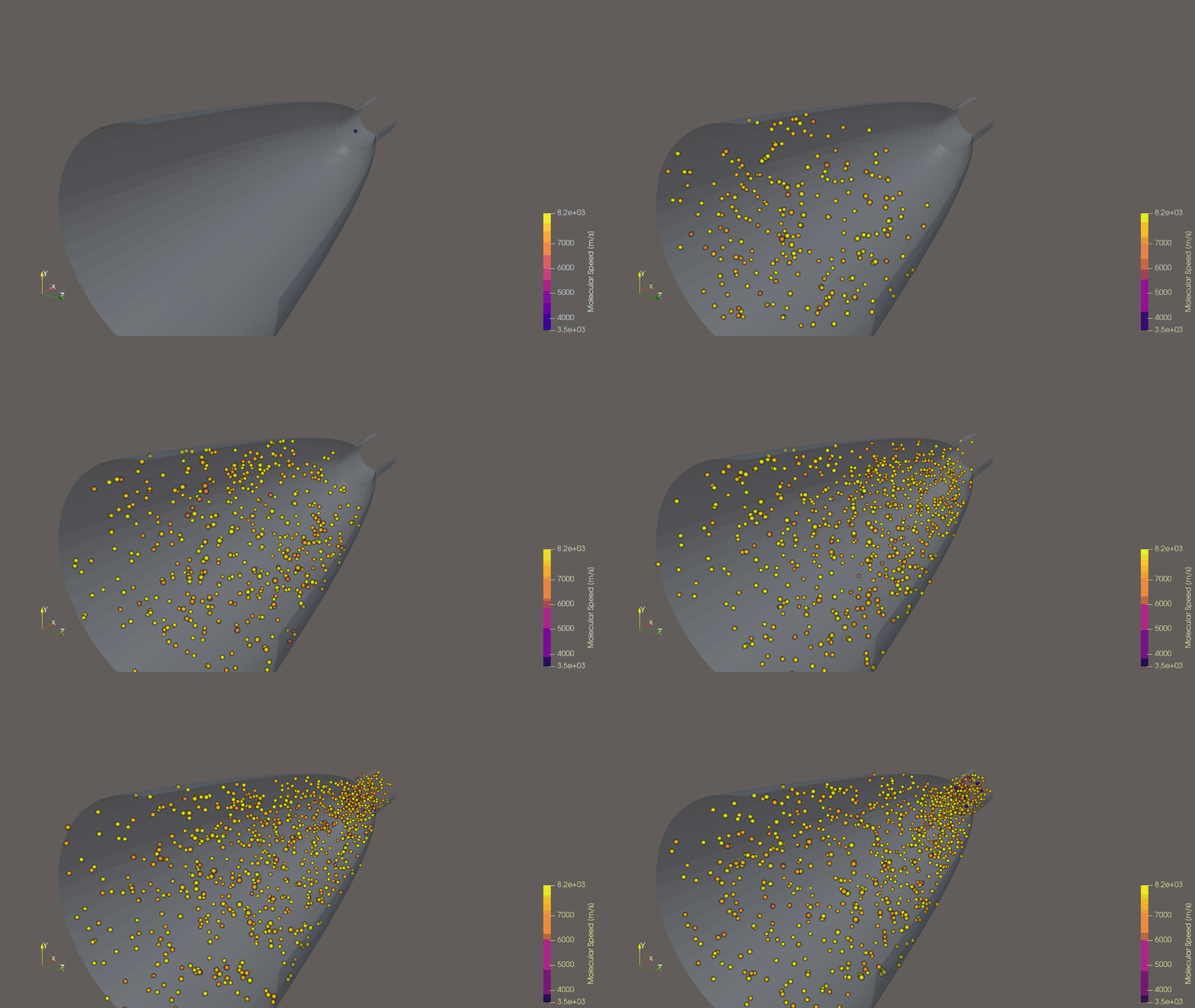
DSMC simulation of intakes for atmosphere-breathing electric propulsion at Titan (work in progress)
Rarefied Intake Aerodynamics for Atmosphere-Breathing Electric Propulsion at Titan
Context: Third-year individual project, University of Southampton (work in progress)
Tools: SPARTA (DSMC), Python, ParaView, HPC
Summary
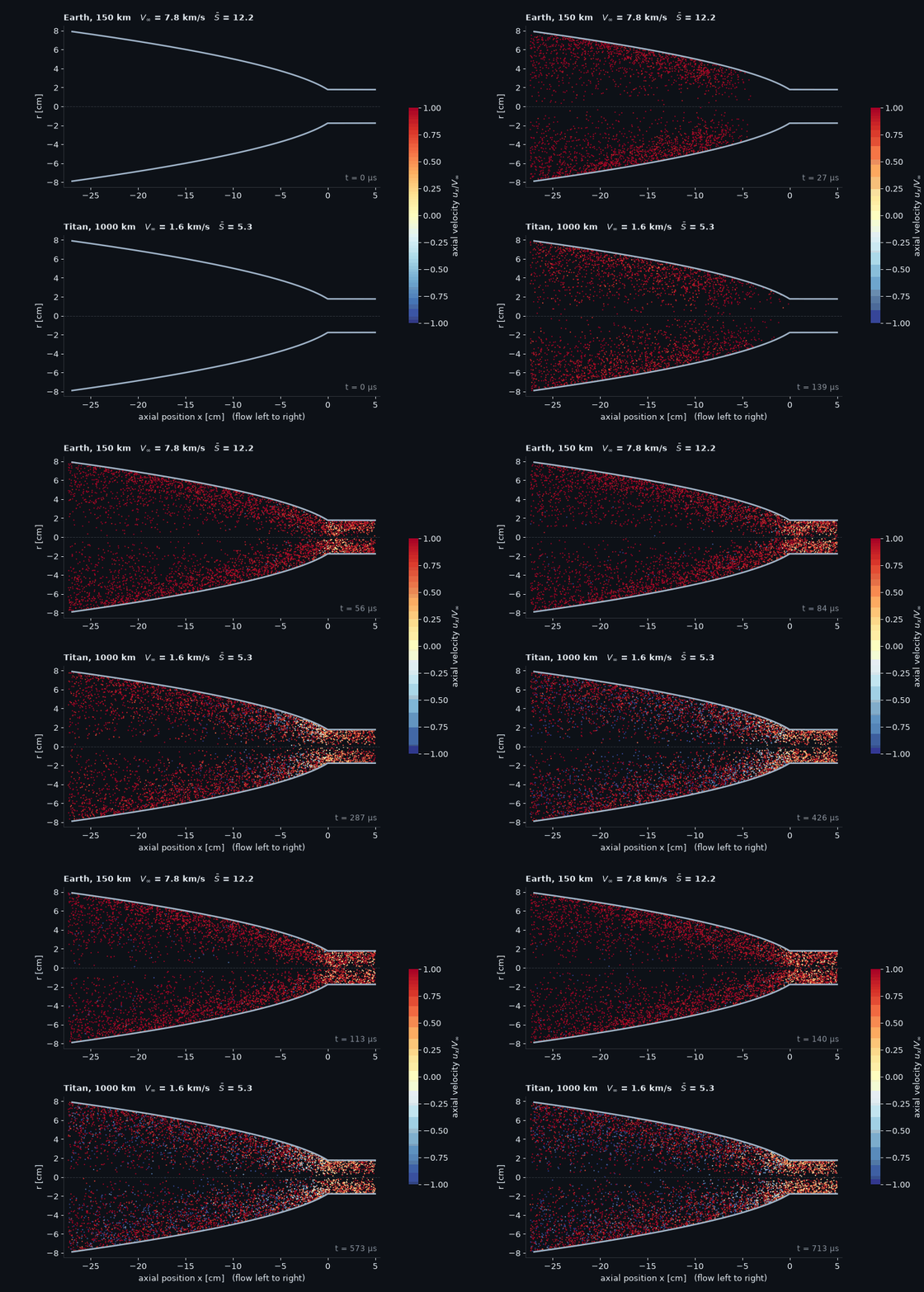
Atmosphere-breathing electric propulsion (ABEP) uses the thin atmosphere around a spacecraft as propellant. An intake collects molecules and feeds them to an electric thruster, so a spacecraft in a low orbit could offset its drag without carrying propellant. Most work so far has looked at very low Earth orbit. This project looks at whether the idea could work at Titan, Saturn’s largest moon, which has a deep nitrogen atmosphere and much lower orbital speeds than Earth.
At these altitudes the gas is too thin for conventional CFD, so I simulate the intake flow with the Direct Simulation Monte Carlo (DSMC) method. I have validated my set-up against published Earth results and am now running a larger simulation campaign on an HPC cluster to assess intake designs for Titan.
The full method and results will be in the final report.